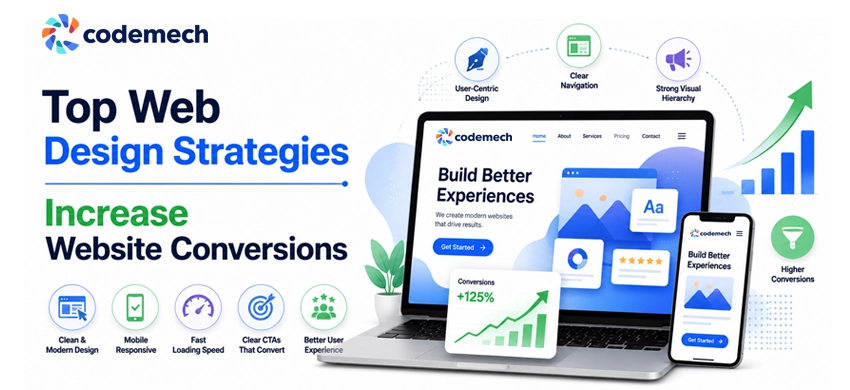
In today’s competitive digital landscape, Austin web design plays a critical role in turning visitors into customers. Whether you run a startup or an established business, your website is often the first interaction users have with your brand. A well-designed website is not just about aesthetics; it’s about performance, user experience, and conversion optimization. Businesses that invest in smart web design strategies see higher engagement, improved trust, and ultimately more sales.
Many organizations also partner with a Web Development Company in USA to build scalable, user-focused websites that support long-term business growth. Professional Web Development Services USA help businesses create responsive, high-performing websites that not only attract visitors but also convert them into loyal customers.
This article explores proven strategies that make web design Austin businesses rely on more effectively, helping you create a website that not only looks great but also converts.
Understanding Conversion-Focused Web Design
Before diving into strategies, it’s important to understand what conversion-focused design means. A conversion can be anything from a form submission to a purchase or even a phone call. The goal of your website should be to guide users toward taking these actions naturally.
Modern Austin web design focuses on aligning user intent with business goals. Instead of just showcasing services, it creates a journey that leads visitors toward meaningful engagement.
1. User-Centered Design Approach
One of the most effective strategies in web design Austin is prioritizing the user. A user-centered website is easy to navigate, intuitive, and designed with the target audience in mind.
To achieve this:
- Understand your audience’s behavior and preferences
- Use simple navigation menus
- Ensure fast access to important pages
When users find what they need quickly, they are more likely to stay longer and convert.
2. Mobile-First Design Strategy
With the majority of users browsing on mobile devices, mobile-first design is no longer optional. Austin web design experts prioritize responsive layouts that adapt seamlessly across all screen sizes.
A mobile-friendly website should:
- Load quickly on smartphones
- Have easy-to-click buttons
- Display content clearly without zooming
Google also favors mobile-optimized websites, which means better rankings and more organic traffic.
3. Fast Loading Speed
Website speed directly impacts conversions. A delay of even a few seconds can cause users to leave your site.
To improve speed:
- Optimize images and media files
- Use reliable hosting
- Minimize unnecessary scripts
Fast-loading websites not only improve user experience but also contribute to higher search engine rankings.
4. Clear Call-to-Actions (CTAs)
Every high-converting website includes strong and clear CTAs. Whether it’s “Get a Quote,” “Contact Us,” or “Start Now,” your CTA should stand out and guide users toward the next step.
Effective CTAs in Austin web design:
- Use action-oriented language
- Are placed strategically across pages
- Stand out visually with contrasting colors
Avoid overwhelming users with too many options. Keep it simple and focused.
5. Clean and Modern Layout
A cluttered website can confuse users and reduce trust. Modern web design Austin trends emphasize minimalism, clean layouts, and organized content.
Key elements include:
- White space for better readability
- Consistent color schemes
- Clear typography
A clean design not only looks professional but also improves user engagement.
6. High-Quality Content and Visuals
Content plays a vital role in conversion. Your website should communicate value clearly and effectively.
Best practices include:
- Writing clear and engaging copy
- Using high-quality images and videos
- Structuring content with headings and subheadings
When combined with Austin web design principles, strong content builds trust and encourages users to take action.
Learn More About: Why Businesses Invest in Custom Web Development
7. SEO-Friendly Structure
A well-designed website should also be optimized for search engines. This includes proper use of headings, keywords, and internal linking.
To improve SEO:
- Use your focus keyword naturally (Austin web design)
- Include secondary keywords like web design Austin
- Optimize meta tags and descriptions
Following Google’s latest updates, focus on helpful content and avoid keyword stuffing. Quality always wins over quantity.
8. Trust Signals and Social Proof
Trust is a major factor in conversions. Users are more likely to engage with businesses they trust.
You can build trust by:
- Adding customer testimonials
- Displaying reviews and ratings
- Showcasing certifications or awards
Austin web design strategies often include these elements to boost credibility and reduce hesitation.
9. Simplified Navigation
A complex navigation structure can frustrate users. Keep your menu simple and intuitive.
Tips for better navigation:
- Limit the number of menu items
- Use clear labels
- Include a search function if needed
When users can easily explore your website, they are more likely to stay and convert.
10. Data-Driven Improvements
One of the most powerful strategies is continuous improvement based on data. Use analytics tools to understand how users interact with your site.
Track:
- Bounce rates
- Conversion rates
- User behavior
By analyzing this data, you can refine your Austin web design strategy and improve performance over time.
11. Consistent Branding
Consistency in branding helps users recognize and remember your business. Your website should reflect your brand identity across all pages.
This includes:
- Logo placement
- Color palette
- Tone of voice
A strong brand presence increases trust and encourages repeat visits.
12. Accessibility and Inclusivity
Modern web design Austin practices also focus on accessibility. Your website should be usable by everyone, including people with disabilities.
Improve accessibility by:
- Using readable fonts
- Adding alt text to images
- Ensuring proper contrast ratios
Accessible websites not only reach a wider audience but also comply with best practices.
Learn More About: How Web Development Companies Build Scalable Business Websites
13. Engaging Landing Pages
Landing pages are designed specifically to convert visitors. They should be focused, clear, and free from distractions.
An effective landing page includes:
- A strong headline
- Clear benefits
- A single CTA
Austin web design professionals often create targeted landing pages for campaigns to maximize conversions.
14. Security and Reliability
Users need to feel safe when interacting with your website. Security plays a crucial role in building trust.
Ensure:
- HTTPS encryption
- Secure payment gateways
- Regular updates and maintenance
A secure website enhances credibility and protects user data.
Conclusion
Successful Austin web design is more than just creating visually appealing websites. It’s about building a digital experience that guides users toward action. By focusing on user experience, performance, and strategic design elements, businesses can significantly improve their conversion rates.
From mobile optimization to clear CTAs and trust signals, each element plays a role in turning visitors into loyal customers. By following these proven strategies and staying updated with Google’s latest guidelines, you can create a website that not only ranks well but also delivers real business results.
Investing in smart web design Austin practices today will set your business up for long-term online success.