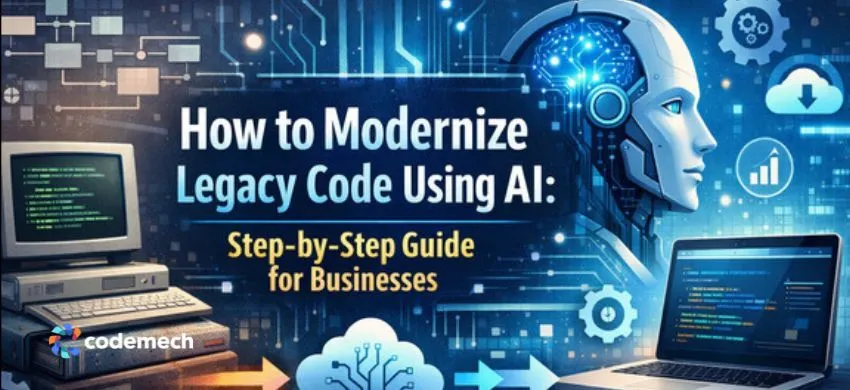
In today’s fast-paced digital world, businesses rely on technology to stay competitive. However, many organizations continue to use legacy code old, outdated systems that struggle to meet modern business demands. These legacy systems often come with significant challenges: they are difficult to maintain, inefficient, and costly. Fortunately, AI-powered legacy code modernization offers a powerful solution to transform outdated systems into agile, scalable, and secure architectures. In this comprehensive guide on how to modernize legacy code using AI, we will walk you through the process of legacy code modernization, offering practical steps, real-world applications, and the latest tools businesses can use to streamline their AI legacy modernization efforts. Whether you're looking to improve performance, enhance security, or reduce costs, this guide will equip you with actionable insights on how to modernize legacy code using AI.
Introduction: Why Legacy Code Modernization Matters
Legacy systems are typically built using technologies that were cutting-edge at the time but are now inefficient and prone to issues. These systems are often:
- Difficult to maintain due to outdated codebases.
- Insecure because they lack modern security protocols.
- Costly to maintain, as they require specialized skills that are becoming increasingly rare.
- Slow and unable to keep up with the growing demands of modern business environments.
In response to these challenges, AI-powered legacy code modernization provides businesses with tools to streamline, refactor, and optimize legacy systems quickly and efficiently. AI can help businesses improve scalability, reduce technical debt, enhance security, and speed up development cycles.
What is Legacy Code?
Definition and Characteristics of Legacy Code
Legacy code refers to any software system that has been in use for a long period but is no longer aligned with current technological standards. This type of code is typically difficult to maintain, inefficient, and lacks the flexibility necessary to integrate with new technologies.
Table with Dark Rows| Characteristic | Description |
|---|---|
| Outdated Technology | Uses old programming languages or frameworks that are no longer in use. |
| Technical Debt | Built with minimal regard for long-term maintainability, leading to inefficient code. |
| Complex Architecture | Difficult-to-understand or convoluted design due to years of patching and quick fixes. |
| Scalability Issues | Struggles to scale with increased demand or new use cases. |
| Security Risks | Lacks modern security protocols, making it vulnerable to cyber threats. |
Problems with Legacy Code
- Maintenance Complexity: As legacy systems age, they accumulate inefficient code that is hard to manage and update.
- Security Vulnerabilities: Legacy systems often lack the robust security features required to prevent modern cyber threats.
- Inability to Scale: Legacy systems are typically built on architectures that cannot scale effectively to meet growing business demands or integrate with new technologies.
Why Legacy Code Modernization is Critical
Challenges Businesses Face with Legacy Code
Modernize legacy code is not just a matter of improving technology; it's essential for businesses to stay competitive. Here's why legacy code modernization matters:
- Increased Maintenance Costs: The longer businesses rely on legacy systems, the more expensive and time-consuming maintenance becomes.
- Slow Time to Market: Legacy systems often hinder innovation by slowing down the rollout of new features and services.
- Security Risks: Outdated systems are prone to security breaches due to the absence of updated security features.
- Lack of Flexibility: Legacy systems cannot easily integrate with modern platforms like the cloud, microservices, or AI-driven applications.
Benefits of Modernizing Legacy Code with AI
- Improved Performance: AI can optimize legacy code for better performance, faster processing times, and improved user experience.
- Reduced Technical Debt: Refactoring legacy code with AI can eliminate inefficiencies and outdated practices, making the system more maintainable.
- Better Security: AI tools can automatically identify and patch vulnerabilities in legacy code.
- Seamless Integration with Modern Systems: Modernized code can be integrated with newer technologies, including cloud computing, AI, and microservices.
Step-by-Step Guide: How to Modernize Legacy Code Using AI
Follow this proven process for how to modernize legacy code using AI through legacy code modernization and modernize legacy systems with AI.
Step 1: Assess the Current State of Legacy Code
Before embarking on a modernization journey, it’s important to assess the state of your legacy system. Understanding the existing architecture, dependencies, and pain points is crucial for creating an effective strategy. AI Tools for Legacy Code Assessment:
- SonarQube: An AI-powered code quality tool that analyzes legacy code for maintainability, security vulnerabilities, and duplications.
- CodeClimate: Analyzes code quality, helping identify issues related to maintainability and efficiency.
- Dependency Mapping Tools: These tools visualize the relationships and dependencies in your legacy codebase, helping you prioritize areas for modernization.
Step 2: Define Clear Objectives for Modernization
To guide the modernization process, define clear objectives. Common goals include:
- Performance improvement: Enhancing system speed and responsiveness.
- Security upgrades: Ensuring compliance with modern security standards.
- Cloud migration: Moving the system to the cloud for scalability and flexibility.
- Leveraging AI for ROI Prediction: AI tools like Azure AI and Google Cloud AI Platform can analyze historical data and predict the potential return on investment (ROI) for various modernization strategies. This can help businesses prioritize high-impact areas.
Step 3: Identify Areas for AI-Driven Automation
AI can significantly speed up the modernization process by automating repetitive tasks, including code refactoring and generation.
- Automated Code Refactoring: AI tools like Codota and Tabnine can assist in automatically refactoring legacy code by suggesting improvements in code efficiency and replacing outdated functions with more modern solutions.
- AI Code Generation: Tools like OpenAI Codex can generate new code based on existing logic, helping businesses transition from legacy systems to modern architectures without the need for extensive manual coding.
Step 4: Implement AI-Powered Testing
Testing is an essential part of legacy system modernization. With AI-driven testing tools, businesses can ensure that the modernized code functions as expected. AI-Driven Testing Tools:
- Test.ai: Automatically generates test cases based on code changes, ensuring that modernized systems maintain functionality.
- Predictive Testing: AI can predict potential bugs based on historical data, reducing the risk of errors after code deployment.
- Actionable Tip: Adopt Continuous Integration (CI) practices with AI-driven testing to quickly validate code changes and ensure smooth integration of new updates.
Step 5: Integrate Legacy Code with Cloud & Microservices
Moving legacy systems to the cloud and adopting microservices architectures are key steps in modernization. AI can streamline this process by identifying the most appropriate workloads for migration.
- AI for Cloud Migration: AI-powered tools like CloudEndure and AWS Migration Hub can optimize the migration process by analyzing legacy systems and recommending the best cloud environments.
- Microservices with AI: AI can help break down monolithic architectures into microservices that can be updated independently and integrated with modern technologies.
Step 6: Continuous Monitoring and Optimization
Even after modernization, continuous monitoring is essential to ensure that systems perform at their best.
- AI for Real-Time Monitoring: AI tools like Datadog and New Relic provide real-time monitoring of system performance, helping businesses detect issues proactively.
- Proactive Anomaly Detection: AI can identify anomalies early on, allowing businesses to address potential issues before they disrupt operations.
Step 7: Upgrade User Interfaces with AI
A modernized backend should be paired with a refreshed user interface. AI can help redesign legacy UIs to be more intuitive and responsive.
- AI for UI/UX Modernization: Tools like Adobe XD and Figma utilize AI to enhance user interface designs by analyzing user feedback and optimizing for responsiveness and usability.
Best Practices for Successful Legacy Code Modernization
- Establish a Clear Roadmap: Develop a detailed phased approach to modernization with achievable milestones and timelines.
- Collaboration with AI Experts: Work with AI consultants like Codemech Solutions, who specialize in both legacy system optimization and modern technologies.
- Ongoing Training for Teams: Ensure your development teams are continuously trained on new technologies and AI tools.
- Track and Measure Progress: Use tools like Jira or Trello to track progress and ensure your modernization goals are being met.
Case Studies & Success Stories
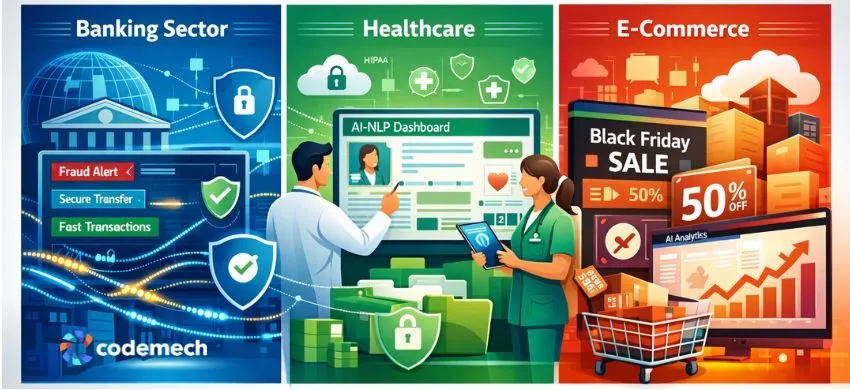
1. Banking Sector
Speeding Up Transactions and Enhancing Security
- Company: Global financial institution
- Challenge: Legacy transaction systems were slow and prone to fraud.
- AI Solution: Integrated AI-powered fraud detection and machine learning to optimize transaction processing.
Results:
- 40% faster transaction processing
- 50% more accurate fraud detection
- 30% reduction in operational costs
2. Healthcare
Accelerating Patient Data Management
- Company: Healthcare provider
- Challenge: Slow and error-prone patient data management system.
- AI Solution: Used AI-driven NLP for organizing and processing patient records.
Results:
- 25% faster data processing
- Improved HIPAA compliance
- 15% increase in patient retention
3. E-Commerce
Optimizing Website Performance for Peak Traffic
- Company: Leading e-commerce platform
- Challenge: Slow performance during high-traffic events like Black Friday.
- AI Solution: Applied AI-driven predictive analytics and optimized cloud infrastructure for scalability.
Results:
- 50% faster page load times
- 3x more traffic handled during peak times
- 20% increase in sales during major events
Traditional migration strategies remain relevant — see our Step‑by‑Step Guide to Migrating COBOL to Java.
Conclusion : The Future of Legacy Code and AI
The role of AI in legacy code modernization will continue to grow as businesses strive for more efficient, secure, and scalable systems. By leveraging AI tools, companies can reduce operational costs, enhance performance, and improve security, ensuring they remain competitive in an increasingly technology-driven world.
Call to Action
Don't wait for your legacy systems to hold your business back. Start your legacy code modernization journey today with Codemech Solutions Contact us at to adopt AI-powered tools and strategies learn how to modernize legacy code using AI now and unlock new levels of efficiency, scalability, and security.